- I tried to download the latest version of Adobe Flash player to my Mac Mini, but nothing happened. I don't know what antivirus program I have, so I didn't disable it. I have OS 10.6.8 and Safari v. 5.1.7 (6534.57.2).
- Adobe publicly said that Flash would ship on a smartphone in early 2009, then the second half of 2009, then the first half of 2010, and now they say the second half of 2010. We think it will eventually ship, but we’re glad we didn’t hold our breath.
- Adobe Flash Player Mac Firefox
- Adobe Flash Player Installer For Mac Mini
- Adobe Flash Player Update For Mac
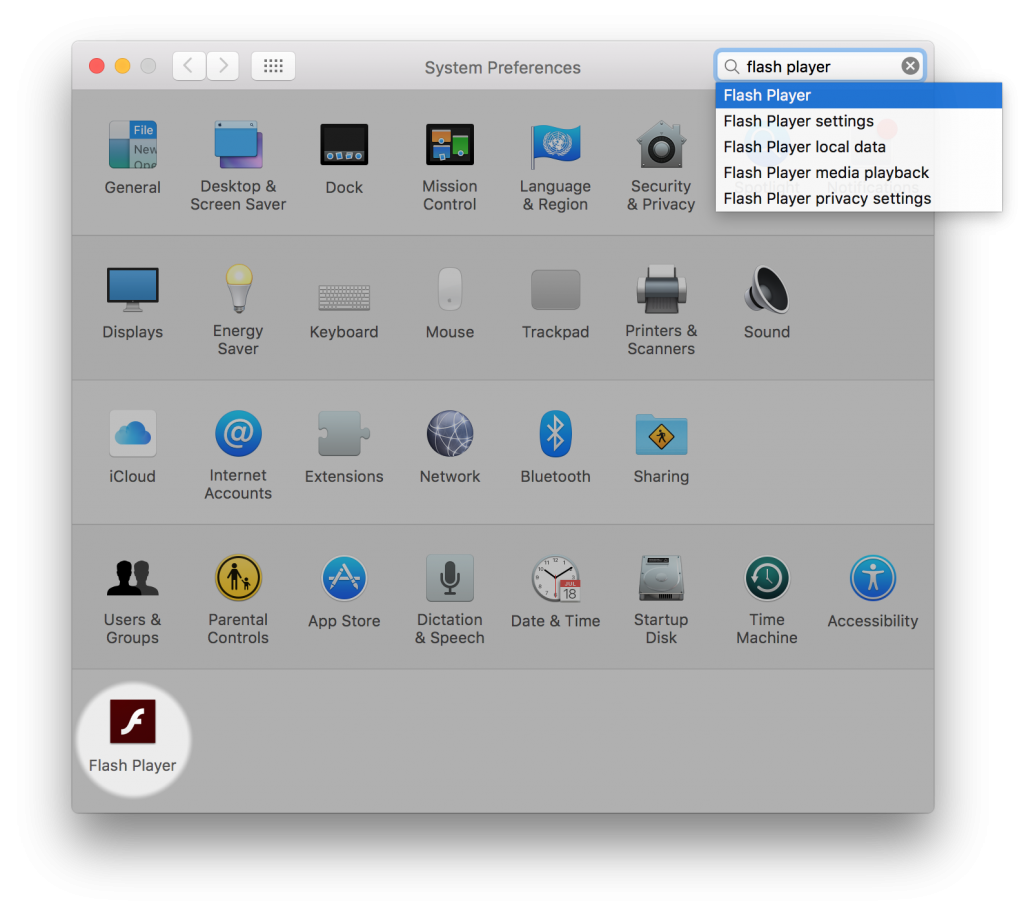
I got a new Mac Mini about a year ago and have kept it fairly stock and clean. I didn't really have any issues with not being able to do things I needed to get done and if I did, I would just wait until I was at work and get it done on their computer. But, I am running into a lot more instances of needing Adobe Flash Player on the web lately. I really don't want to install it. Flash Player collects some data in order to track installations and provide updates. Additionally, it may store, or allow third parties to store, certain information on your computer in a local data file known as a local shared object in order to provide customized features. How to uninstall Flash from your Mac. Verify your OS X version by clicking the Apple icon in the upper left and selecting About This Mac. Before you start, check the version of Safari running on your Mac. To display the version number, choose Safari > About Safari. If your Safari version is 11.0 or later, follow the steps in For Mac OS X 10.11, macOS 10.12, and later. Tip: If you don’t see the app and are positive that Flash Player is in fact installed on your Mac, download the Adobe Flash Player uninstaller from Adobe’s website. 2) Click the Uninstall button to begin the process.
Mac users beware: an infamous and sophisticated Windows malware has made its way to macOS, and it could infect your machine via a common outlet.
The backdoor malware — known as Snake, Turla, or Uroburos — has been infecting Windows machines since at least 2008. Three years ago, it was ported to Linux systems, and now, it has just been adapted to infect Mac users, according to a MalwareBytes blog post. A highly sophisticated malware, it’s thought to have been created by the Russian government, and according to security firm Fox-IT, it’s been used to attack high-profile targets such as large corporations, as well as military and government institutions.
The Mac version of Snake was first spotted by Fox-IT in a file named Install Adobe Flash Flash Player.app.zip. This indicates that, like many other malware before it, the Mac version of Snake masquerades as a Flash installer. In fact, the fraudulent app actually does install Flash — but it is signed with an illegitimate Apple certificate. This certificate allows it to bypass Gatekeeper, at which point it will ask for your system’s password. From here, the process looks like a normal Flash installation, but will also install malicious software onto your machine. Once it’s on your machine, Snake allows attackers to steal your sensitive data — including unencrypted files, login credentials and passwords.
While many Mac users may still believe that their machines are relatively safe from viruses and trojans, this is becoming increasingly untrue. Backdoors can easily be passed onto unsuspecting users via social engineering — like a convincing email ostensibly from your IT department, for example. And because Snake looks like a standard Adobe launcher once it’s installed, it can easily go undetected by the average user. Luckily, Apple has already revoked the certificate tied to this particular version of Snake, but a new iteration with a different certificate is always a possibility. Similarly, this version can still infect your machine is downloaded from a source that doesn’t quarantine flag it — such as most torrent apps and services.
Ways to Protect Your Mac
- Your best bet in avoiding Snake and other malware is to only download software and files via the Mac App Store or from trusted developers.
- If you think you’ve been infected with Snake, download an antivirus software (MalwareBytes can already detect and remove it).
- Additionally, ensure your accounts are secure by changing your password or enabling two-factor authentication.
How to disable Flash on your Mac
Quick Mac Tip, 24 April 2011
If you’re sick of pesky, flashing ads on websites or perhaps want a browsing experience similar to the Flash-free one provided on iOS devices consider disabling the Flash plug-in on your Mac. Paul Kaniuk explains how.
MacTips is only $140 short of its goal to get better backups and protection. Thanks so much to the 27 people who have contributed this month and let us move to a new server. Is it your contribution that will finally get us better backups? The Make MacTips Happy Month is almost at an end. Please donate or subscribe now to help us achieve our goal.
There are a couple of ways to disable Flash.
Disable Flash with a browser extension
Paul Kaniuk is a recent graduate of Unitec’s Bachelor of Computing Systems degree. An Apple fanatic since the days of the Macintosh Classic II, he is more than happy to share his growing troubleshooting knowledge. And, currently looking for a job where he can spend all day doing just that.

One option is to install ClickToFlash. This extension blocks Flash content from being displayed in Safari until you, the user, decide to have it show.
There are also similar Flash-blocking plug-ins available for Firefox, Camino and Chrome.
The ClickToFlash extension blocks Flash content from being displayed in Safari.
The ClickToFlash extension also has some nice features to customise your browsing. The extension is based on the original ClickToFlash plug-in.
Remove the Flash player
A more rigorous option is to remove the Flash player itself. The files Flash Player.plugin and flashplayer.xpt should be located in /Library/Internet Plug-Ins/.
Either delete or move these files to another folder (you could create a folder /Library/Internet Plug-Ins Disabled and put them in there). You should log out and log in after removing moving or deleting these files.
Adobe Flash Player Mac Firefox
Removing Flash will mean no Flash content will be displayed in any of your browsers (but see below about Chrome).
Make YouTube use HTML5 instead of Flash
A common complaint with this solution is that many online video sites such as YouTube use Flash to display content. Fortunately, there is an extension for Safari which forces YouTube to use the HTML5 player instead.

The Eject to Flash extension sends Flash content to Chrome.
Use Google Chrome for Flash
Google’s Chrome browser currently includes its own built in Flash plug-in, so even if you have removed Flash entirely from your computer, installing Chrome will allow you to view Flash content without having Flash content display in your default browser.
To make life easier, you can install an extension called Eject to Flash that creates a button (and shortcut Command (⌘) E) in Safari to open the current webpage you are on in Chrome.
The benefits of removing Flash
Removing Flash should, in theory, lower CPU usage and thus lower the heat of your computer while decreasing fan usage and and increasing the battery life (in laptops).
You may also find your browser is more stable without Flash.
Adobe Flash Player Installer For Mac Mini
Links
Adobe Flash Player Update For Mac
Do you have a favourite tip for Safari? Tell us in the Comments. Could you write a guest MacTip? If so, contact me.